Amazon has always been competitive—but right now, it’s intensely competitive. More brands, more ad placements, higher customer expectations, and faster-moving trends mean “good enough” doesn’t stay good for long. At the same time, the opportunity has never been bigger: Amazon continues to be one of the most powerful channels to launch products, build brand loyalty, and scale revenue… if you have the right strategy.
For most brands, growth hits a familiar wall. Cash flow gets tight when you need to reorder inventory faster than Amazon pays out. Advertising becomes more expensive exactly when you need momentum. And operational bottlenecks—forecasting, supply chain timing, and deciding what to launch next—can slow down even strong products.
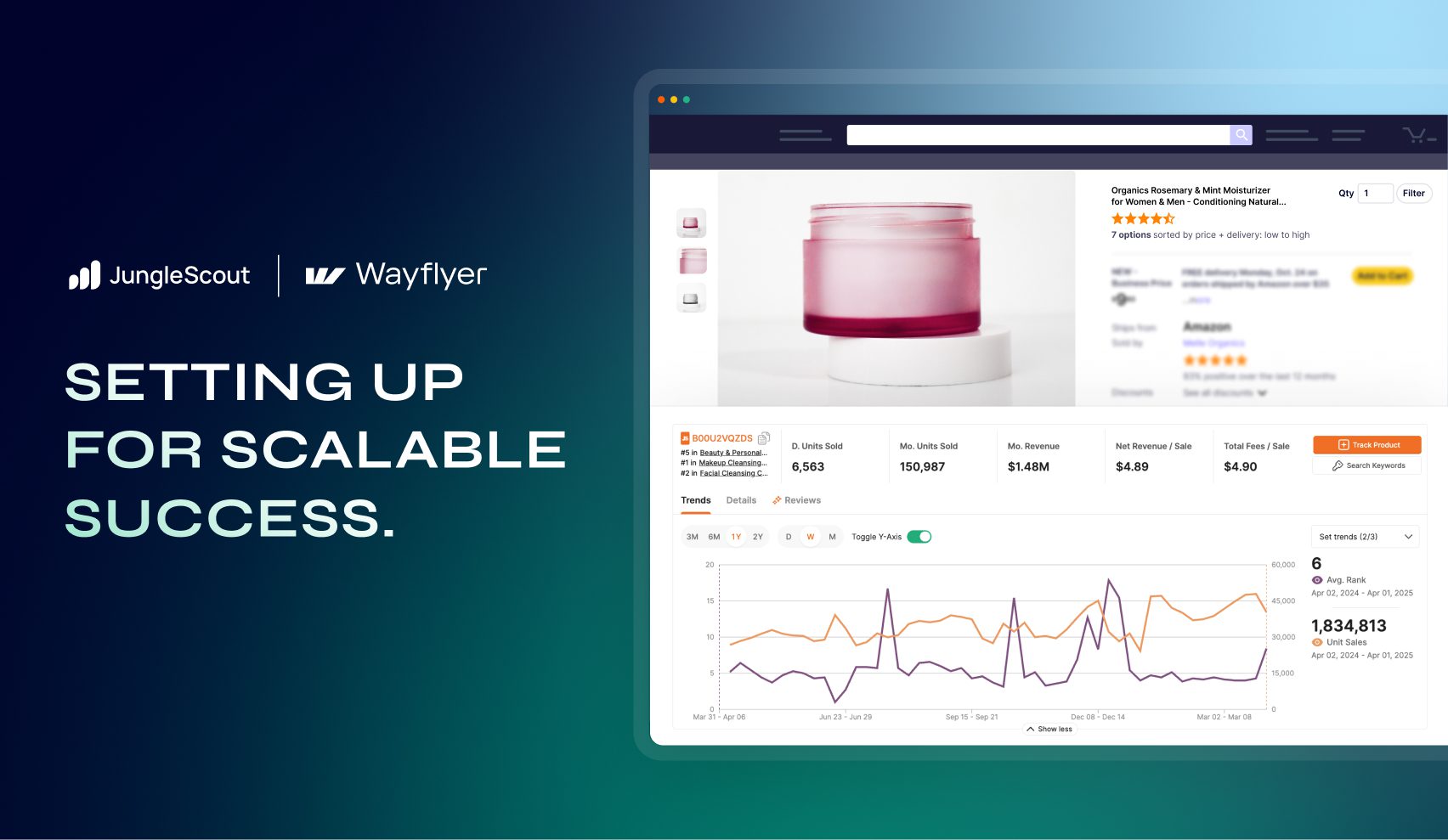
That’s where Jungle Scout and Wayflyer come in. Jungle Scout helps you scale intelligently with market research, competitive insights, and performance analytics––so you can make decisions grounded in data, not guesswork. Wayflyer helps you act on those decisions by providing fast, flexible funding to cover inventory, marketing, and expansion—without giving up equity. Together, insights + investment create a smoother path to sustainable Amazon growth.
Build a Strong Foundation
A strong foundation starts with picking opportunities that will actually support growth: consistent demand, room to differentiate, manageable competition, and reliable margins. The goal isn’t to find a product that can sell, it’s to find a product that can keep selling when competitors copy you, ad costs rise, and customer expectations evolve.
With market research tools like Jungle Scout, sellers can pressure-test ideas before investing heavily in product development or inventory. Instead of relying on gut instinct, you need to validate demand patterns, identify crowded sub-niches, and spot whitespace opportunities where customers are underserved.
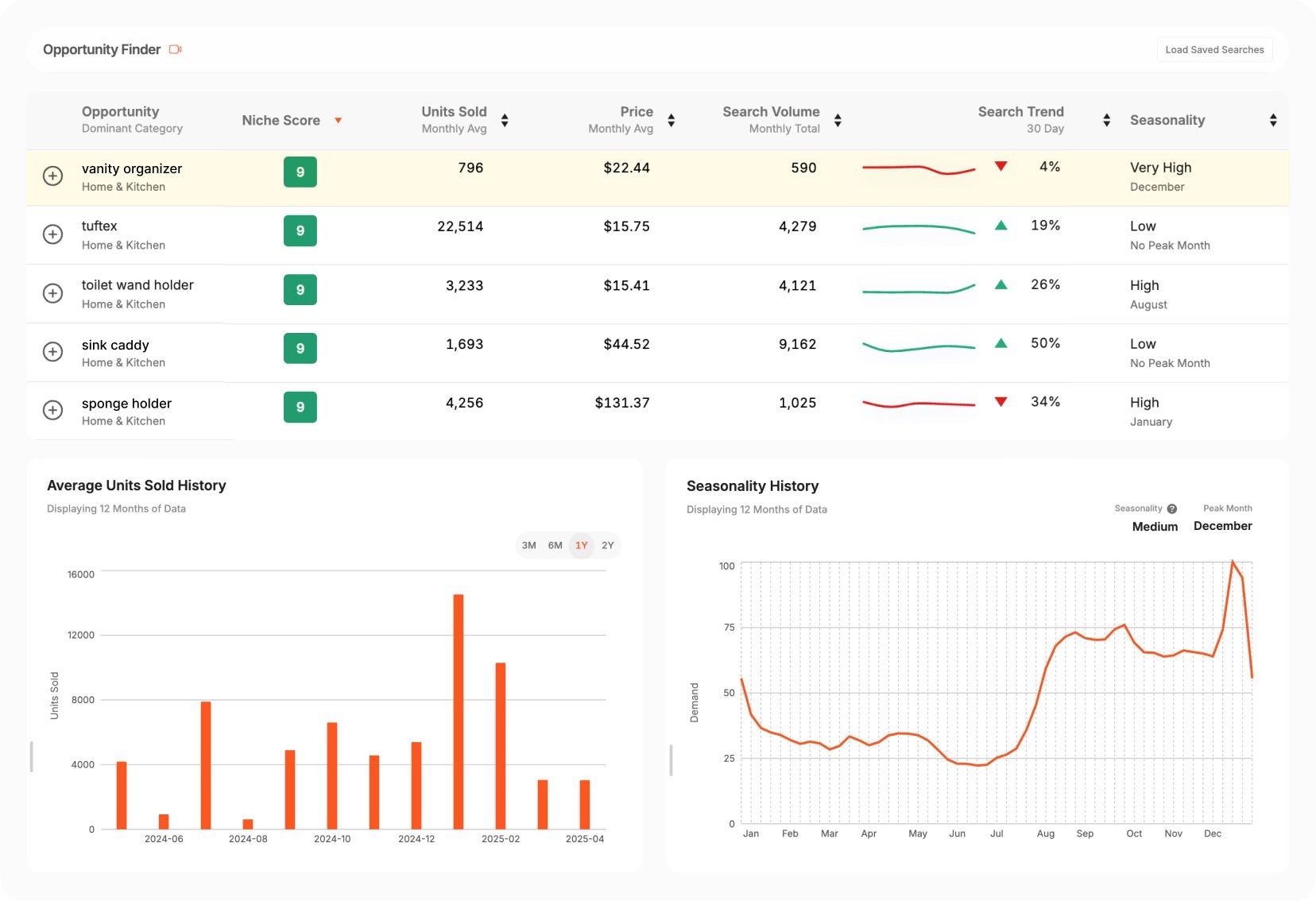
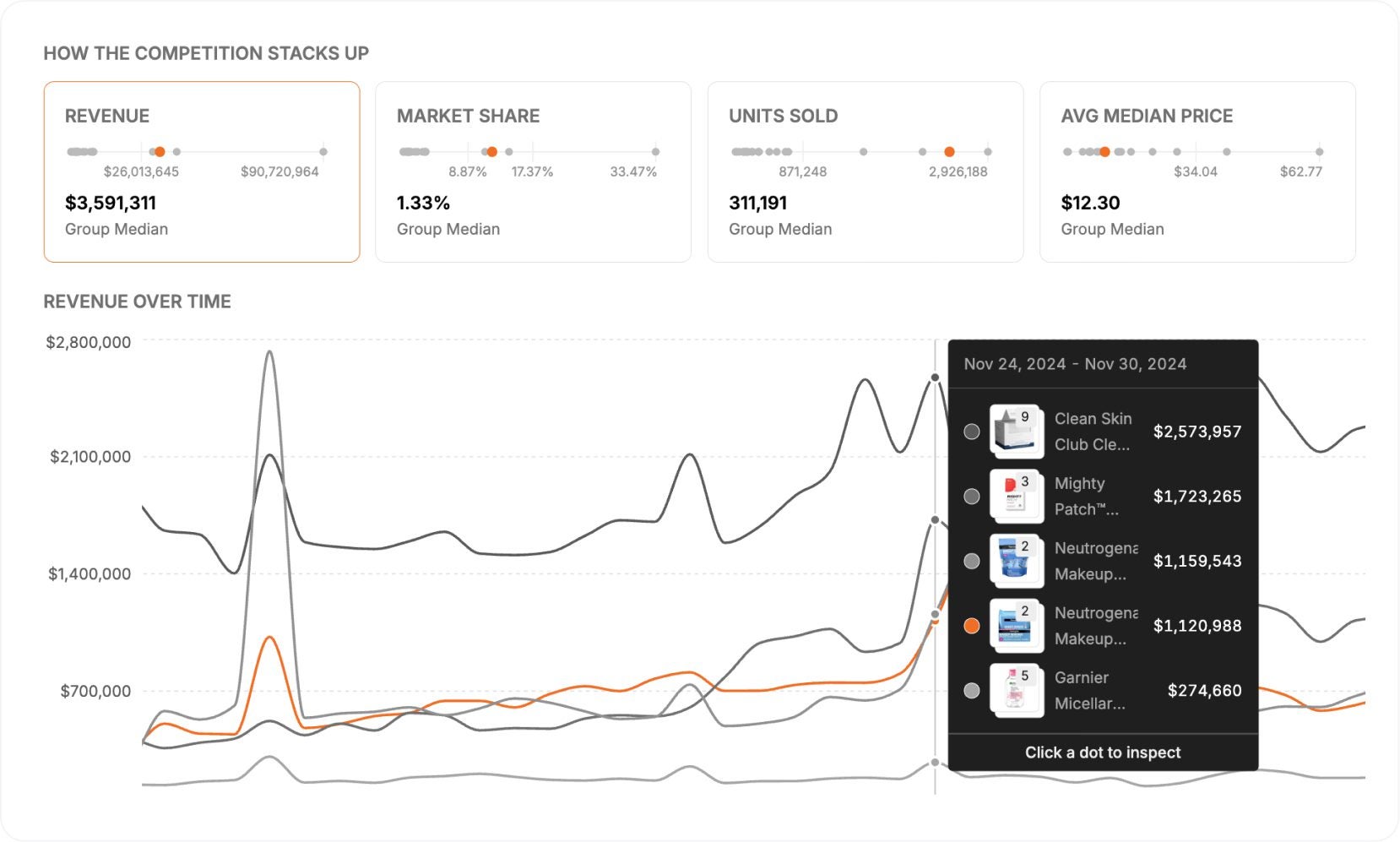
Start by sanity-checking the demand quality, because again, it’s not just “is it popular,” but “is it consistently popular?” Look for niches with steady sales patterns (vs. sharp spikes), a healthy spread of existing sellers making meaningful revenue (so demand isn’t concentrated to one dominant brand), and make sure this demand is selling at a high-enough price point that supports your target margins after fees, shipping, and ads. A niche that’s too price-compressed can look attractive on volume but gets brutally hard to scale profitably once PPC ramps up.
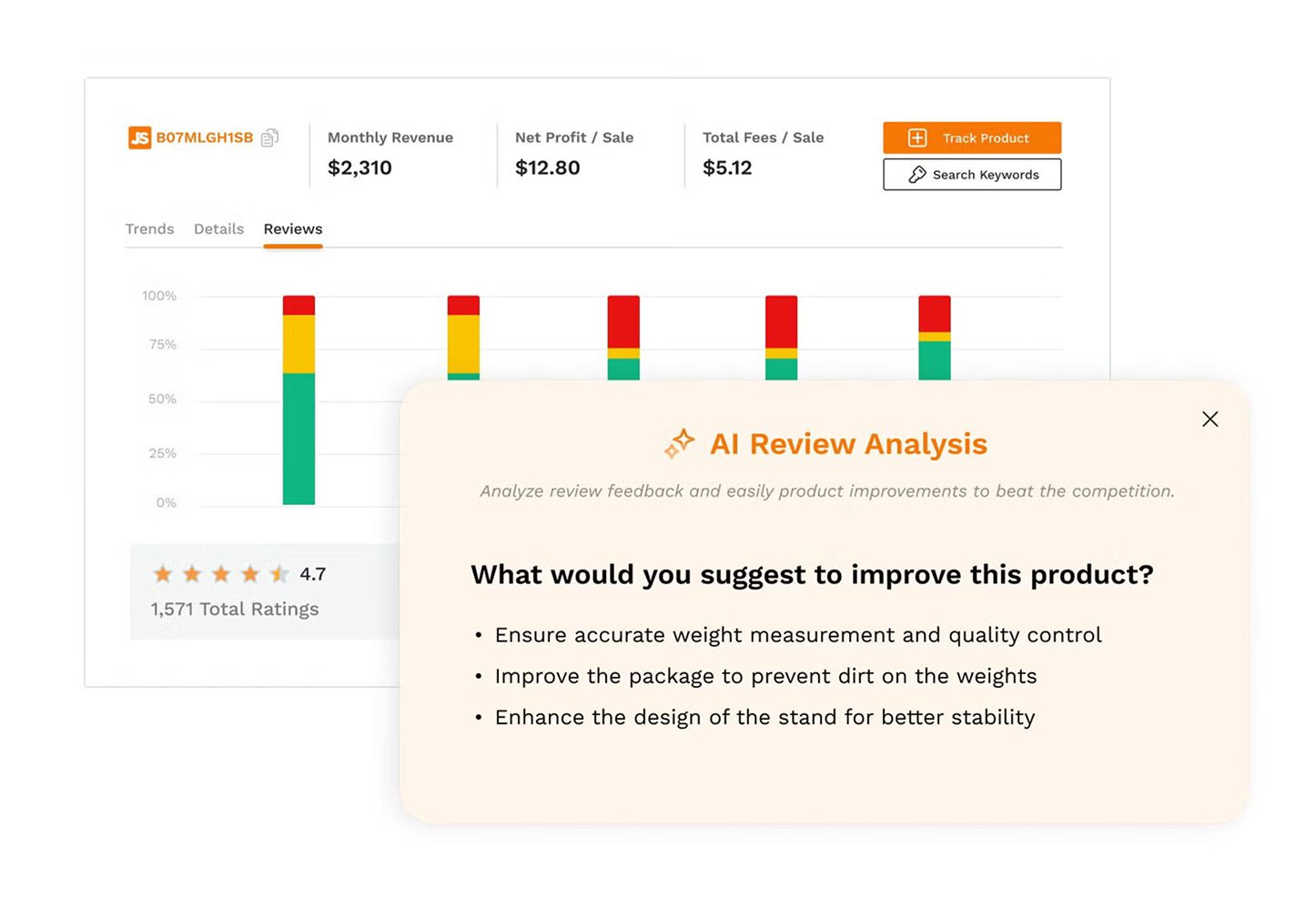
Then flip the lens to opportunity: Scan reviews and product positioning to find gaps—common complaints, missing features, poor instructions, or quality issues you could solve. The best niches usually have enough competition to prove demand, but enough unresolved customer pain to make differentiation realistic.
Optimize listings to convert (because traffic is expensive)
As you scale, traffic becomes one of your biggest costs, especially with rising PPC pressure. That makes listing optimization non-negotiable: you’re not just “improving content,” you’re improving the efficiency of every marketing dollar.
Strong listings typically share three traits:
- Clear positioning: customers quickly understand what problem the product solves and why it’s different.
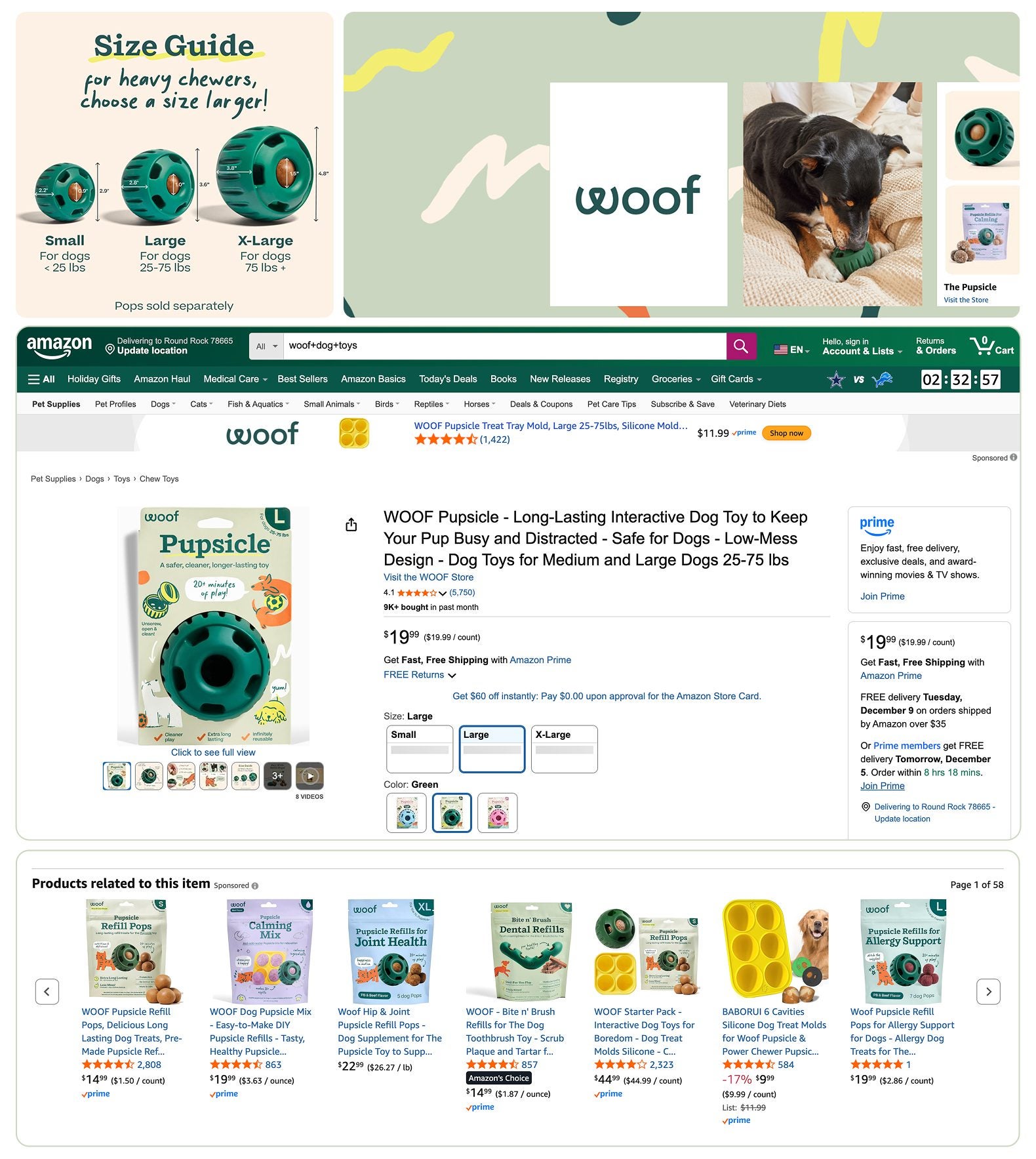
- Compelling visuals: images & videos answer your most common friction points as identified in your review analysis (size, use case, materials, outcomes) and reduce uncertainty.
- Keyword-rich copy: language that matches how shoppers search, without sounding robotic.
Optimizing for conversion rate early means you can scale ads, expand inventory, and push into new markets with more confidence—because the foundation (your listing) is doing its job.
Establish brand identity that carries beyond one SKU
Scaling on Amazon isn’t only about selling more, it’s about building a brand that competitors can’t easily duplicate. Consistent brand identity across your listing, Storefront, packaging, and customer experience increases trust, improves repeat purchase behavior, and helps you command stronger pricing over time.
Brand identity shows up in:
- Consistent visual cues (images, color palette, design language)
- A repeatable message (what you stand for, who you’re for, and why you’re different)
- A cohesive customer experience (instructions, inserts, packaging quality, post-purchase follow-up)
When your brand is clear, you spend less time “convincing” and more time scaling—because customers understand you quickly and recommend you more often.
Invest in Growth
Focus: How strategic capital accelerates growth.
- The challenge of cash flow for Amazon sellers — e.g., inventory restocking, ad spend, and seasonal spikes.
- How Wayflyer helps: quick access to revenue-based financing without diluting ownership.
- Smart reinvestment strategies: where to allocate funds for maximum ROI (inventory, marketing, or expansion).

The Cash Flow Obstacle for Amazon Sellers
For fast-growing Amazon businesses, managing cash flow often presents the biggest hurdle. The nature of the Amazon marketplace creates specific demands that can quickly deplete working capital.
Keeping enough stock to meet increasing sales volume is expensive, especially for best-selling items, and increasing ad spend (PPC) is necessary to maintain visibility and compete effectively, demanding continuous investment. Not to mention, preparing for major sales events, such as the holidays or Prime Day, requires substantial upfront investment in inventory and marketing to capitalize on demand.
This creates an imbalance in cash flow cycles that requires more cash up front than brands tend to have on-hand. Delays between paying for expenses (like manufacturing and advertising) and receiving revenue from Amazon’s payout schedule frequently exacerbate these cash flow gaps.
Wayflyer’s Capital Solution
Wayflyer helps sellers bridge these cash flow challenges by offering quick access to revenue-based financing. With financing from Wayflyer, brands can:
- Protect Ownership: A primary advantage is that sellers can secure the funds they need without giving up equity or diluting their ownership of the business.
- Repay with Flexibility: The funding model is tied to the seller’s actual sales performance, which allows for a flexible repayment schedule that adjusts naturally with revenue cycles.
- Increase Speed to Opportunity: Funds can often be accessed far faster than through traditional banking or equity routes, enabling sellers to quickly act on time-sensitive opportunities, like a large, beneficial inventory order or an essential marketing campaign.
This need for readily available working capital, particularly when traditional lenders are often uncooperative or slow, is where many scaling Amazon brands get stuck. To convert sales momentum into sustainable expansion, sellers require a financing partner who understands these specific eCommerce cash flow dynamics and can offer a fast, flexible solution.
Allocating Funds for Maximum Return on Investment (ROI)
Having access to capital is essential, but knowing where to deploy those funds is what drives sustainable profit. Strategic reinvestment is the key to converting financing into exponential growth. Wayflyer customers commonly use funds in three main areas:
- Optimizing Inventory: The most critical use of capital is maintaining optimal inventory levels. This prevents costly stockouts, which damage sales rank and customer trust.
- Tip: Use funding to negotiate better terms or larger discounts on bulk orders from suppliers.
- Scaling Effective Marketing: Reinvest in marketing and ad campaigns that have already proven their ability to generate profitable sales.
- Tip: Allocate capital to test new, high-potential products or expand successful campaigns into new markets.
- Fueling Business Expansion: Strategic funding can support planned expansion into new product lines or international marketplaces, which requires substantial upfront investment in preparation, logistics, and localized marketing.
Success Snapshot: Wayflyer in Action
BubbleBum, the popular portable booster seat brand, faced a significant challenge when the pandemic halted travel, causing sales to “literally fell to next to zero overnight” after previously generating millions in revenue.
When sales picked up, the company was unable to restock because it lacked the working capital and found it difficult to secure loans from traditional banks, which Fintan Kelly, the VP, said “just were not cooperative at all.”
By turning to Wayflyer, BubbleBum had access to the financing they needed within a week of applying.
Wayflyer made accessing working capital “tremendously easy,” requiring only access to finance and sales data through their Amazon seller page. In addition to the ease of applying, the revenue-based remittance model meant BubbleBum paid less when sales dipped and more when sales picked up, giving them the cash flow flexibility to get through tough times.
With the working capital, BubbleBum was able to buy more stock, invest in marketing, and start product development, allowing their sales to scale two to three times faster than if they had relied on traditional financing methods.
Leverage Data to Scale Smarter
Once the foundation is solid and funding is secured, the difference between “growing” and “scaling” comes down to decisions—and the best decisions come from data. The brands that scale most consistently treat analytics as their operating system: every investment (inventory, ads, new products, expansion) is guided by performance signals, not instinct.
Track the metrics that actually drive growth
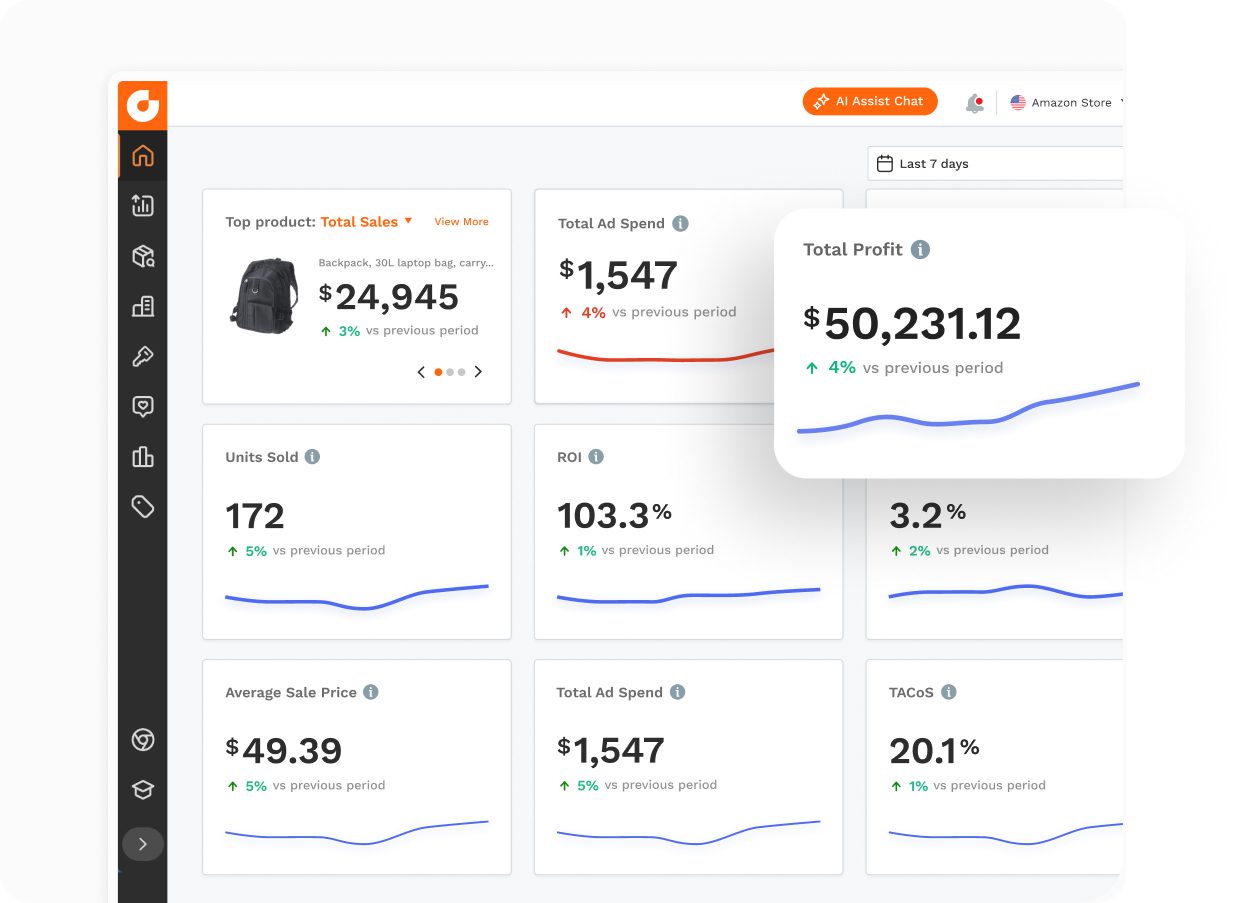
When you’re scaling, vanity metrics can be misleading. Focus on the numbers that affect profitability, momentum, and cash flow:
- Revenue: Your northstar for new product launches and expansions.
- Conversion rate (CVR): tells you whether your listing and offer are doing their job.
- Advertising efficiency (ACoS / TACoS): shows whether paid growth is profitable and sustainable.
- Customer lifetime value (LTV): helps you decide how aggressively you can acquire customers.
- Net profit: ensures sales growth doesn’t hide profitability problems.
- Inventory performance: sell-through rate, stock cover, and stockout risk (rank loss is expensive to recover).
If one of these indicators shifts, you can respond early before the problem becomes costly.
Forecast demand and plan inventory with confidence
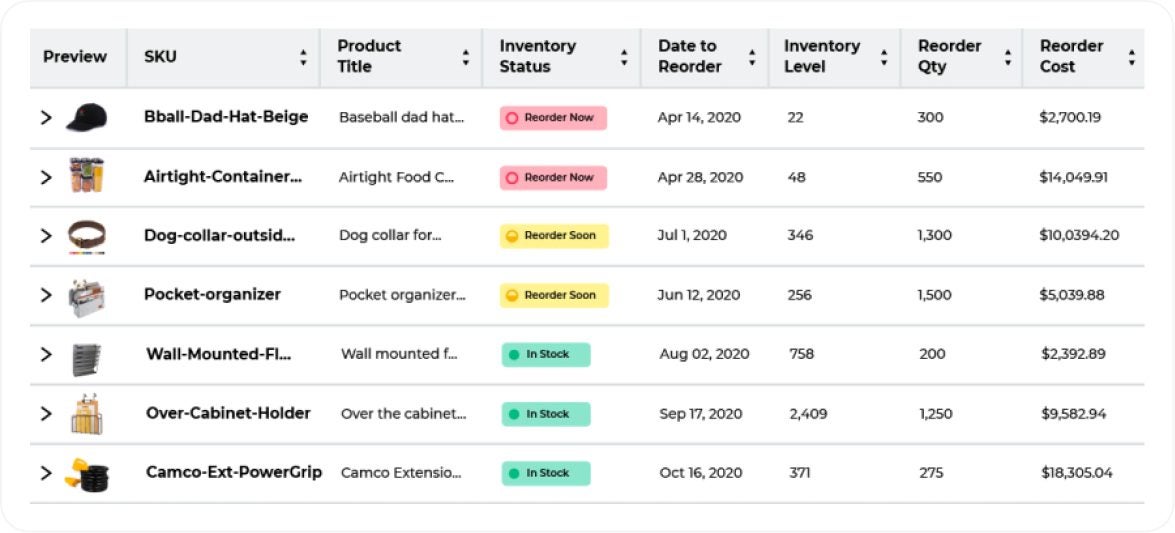
Inventory is where cash flow and growth collide. Stockouts can collapse momentum (and rankings), while over-ordering ties up cash and leads to storage fees and discounting. Demand forecasting helps you find the middle ground: enough inventory to protect sales velocity without overextending working capital.
This is also where the Jungle Scout + Wayflyer partnership matters: data helps you quantify what you need, and funding helps you act when the numbers say it’s time to buy, reorder, or prepare for seasonal spikes.
Practical examples of data-guided inventory decisions:
- Planning reorder points based on historical velocity and lead times
- Increasing purchase orders ahead of high-confidence seasonal demand
- Avoiding panic reorders by spotting trends early
De-risk expansion into new products or markets
Expansion is exciting––but expensive––so the smartest brands validate before they build. Competitive Intelligence can reduce the risk of launching “the next SKU” by confirming:
- Whether demand is stable or trend-driven
- How competitive the niche is
- What price points and value propositions are winning
- And what customer pain points are showing up in reviews
With Jungle Scout, sellers can evaluate adjacent products, test bundles, and explore new categories or geographies with clearer expected outcomes—then use funding strategically when it’s time to scale the winners.
Funding + data = smarter scaling with less risk
Funding alone can accelerate mistakes. Data alone can lead to analysis paralysis. Together, they create a repeatable growth engine:
- Data identifies the highest-probability opportunities
- Funding enables speed when timing matters
- Metrics keep growth profitable and sustainable
That combination helps brands scale with control—making bigger moves with fewer surprises.
Conclusion
Scaling on Amazon isn’t just about working harder—it’s about building a business that can grow without breaking. The brands that win long-term pair strong fundamentals with clear decision-making and the ability to invest at the right moments. That means validating opportunities before you commit, optimizing for conversion as traffic gets more expensive, and using performance data to guide every growth move—from inventory planning to expansion.
Jungle Scout and Wayflyer help make that approach practical. Jungle Scout gives you the insights to spot opportunity, reduce risk, and scale with clarity. Wayflyer gives you flexible access to capital so you can move faster—without diluting ownership—when the data says it’s time to invest.
Ready to grow your brand?
- Learn more about scaling your Amazon business with Jungle Scout’s tools and insights.
- Explore flexible funding options with Wayflyer to support inventory, marketing, and expansion.
Ready to grow your brand? Learn how data and funding can fuel your next phase of Amazon success. Visit Wayflyer.